

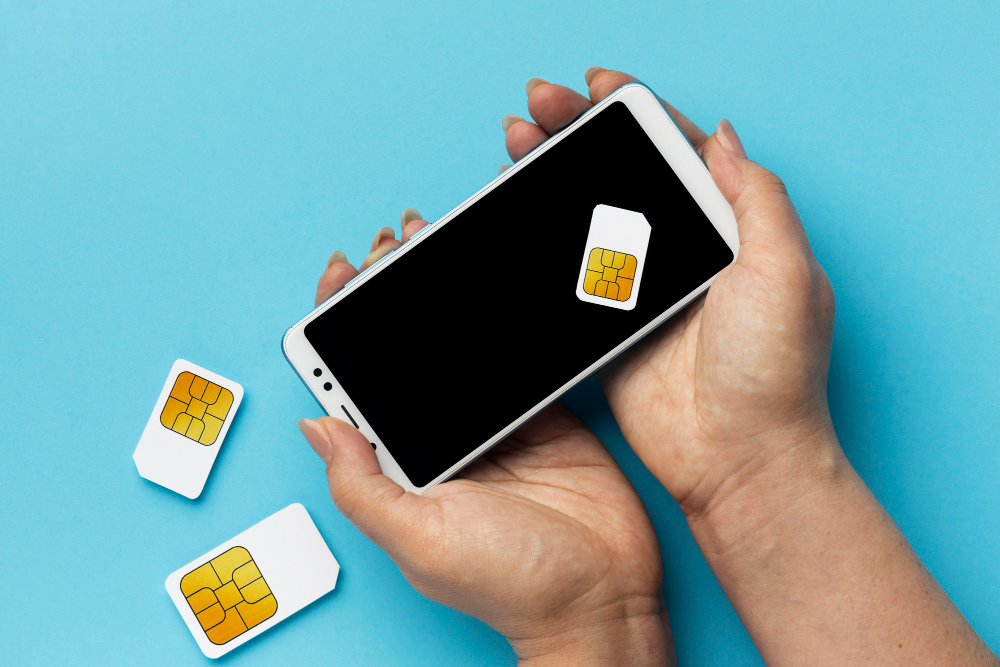
In today’s tech-driven world, eSIM technology is revolutionizing the way we connect and communicate. From its seamless activation process to global roaming capabilities, eSIM offers a host of benefits over traditional SIM cards. This blog post delves into the basics of eSIM, its advantages, activation process, choosing the right plan, compatibility, security measures, and future innovations. Let’s explore the myriad opportunities to leverage the efficiency of eSIM in enhancing connectivity and communication.
The Basics of eSIM Technology
eSIM, or embedded SIM, is a relatively new technology that is revolutionizing the way we connect to mobile networks. Unlike traditional SIM cards, eSIM is embedded directly into a device, eliminating the need for a physical SIM card. Here are the basic components and functionality of eSIM:
- Embedded Nature: eSIM is a tiny chip embedded within a device, allowing for a more streamlined and compact design.
- Remote Provisioning: With eSIM, users can remotely provision and activate a mobile plan without the need to physically insert a SIM card. This provides flexibility and convenience.
- Support for Multiple Profiles: eSIM technology supports the provision of multiple mobile network profiles on a single device, allowing users to switch between different profiles without swapping physical SIM cards.
- Global Compatibility: eSIM is designed to be compatible with various mobile network operators globally, making it an ideal choice for frequent travelers and international use.
- Increased Security: eSIM comes with enhanced security features, reducing the risk of SIM card tampering and unauthorized use.
In comparison to traditional SIM cards, eSIM represents a significant leap forward in terms of convenience, flexibility, and security. As the foundation of modern mobile connectivity, eSIM technology is set to play a pivotal role in shaping the future of telecommunications.

Photo by Priscilla Du Preez 🇨🇦 on Unsplash
Advantages of eSIM Over Traditional SIM Cards
eSIM technology offers several advantages over traditional SIM cards, making it a preferred choice for many users. Here are the key benefits of eSIM:
Flexibility: With eSIM, users can switch between different mobile carriers without needing to physically change SIM cards. This flexibility is particularly advantageous for frequent travelers or those who desire network flexibility.
Cost-Effective: eSIM eliminates the need for purchasing physical SIM cards, reducing costs for both users and mobile operators. Additionally, eSIM allows for easier activation and deactivation of mobile plans, enabling users to save money by only paying for the services they need.
Space-Saving: Unlike traditional SIM cards, eSIM is embedded directly into the device, saving physical space and eliminating the need for a dedicated SIM card slot. This is especially beneficial for smaller and more compact devices.
Enhanced Security: eSIM offers improved security features compared to traditional SIM cards. The remote provisioning of eSIM profiles and the ability to disable or delete profiles remotely in case of theft or loss enhance the security of mobile devices.
Seamless Connectivity: eSIM enables seamless switching between different networks, ensuring continuous connectivity even in areas with varying network coverage. This can be particularly advantageous for users who travel internationally or operate in remote locations.
In summary, eSIM technology presents several advantages over traditional SIM cards, including flexibility, cost-effectiveness, space-saving, enhanced security, and seamless connectivity.
By embracing eSIM technology, users can maximize efficiency and streamline their mobile connectivity experience.
How to Activate eSIM on Your Device
Activating an eSIM on your device is a simple process that involves a few straightforward steps. Here’s how to get your eSIM up and running efficiently:
Check for eSIM Compatibility: Before activating an eSIM, ensure that your device supports this technology. Many newer smartphones, smartwatches, and other connected devices are eSIM-compatible.
Contact Your Service Provider: Reach out to your mobile service provider to inquire about eSIM activation. They will provide you with a QR code or an activation code to initiate the process.
Access eSIM Settings: Navigate to the settings menu on your device and look for the eSIM or cellular settings. Select the option to add a new cellular plan.
Scan the QR Code or Enter the Activation Code: Use your device to scan the QR code provided by your service provider. If a QR code is not available, manually enter the activation code to configure the eSIM.
Finalize the Activation: Follow the on-screen prompts to complete the activation process. Once activated, your device will be ready to use the eSIM for cellular connectivity.
By following these simple steps, you can quickly and efficiently activate the eSIM on your device, unlocking its full potential for seamless connectivity and flexibility.
Remember, the process of activating an eSIM may vary slightly based on the specific device and service provider, so it’s always best to refer to the instructions provided by your manufacturer and carrier.
With eSIM technology, the activation process is more convenient than ever, providing users with the flexibility to switch between different mobile plans and operators without the need to physically swap out SIM cards.
Choosing the Right eSIM Plan for Your Needs
When selecting an eSIM plan, it’s important to consider your usage requirements and preferences to maximize the benefits of this technology. Here are some key factors to keep in mind:
Coverage and Network Quality:
- Research the coverage and network quality of eSIM providers in your area and the regions you frequently travel to. Ensure that the provider offers strong connectivity and reliable service.
Data, Voice, and Text Needs:
- Assess your data, voice, and text requirements. Some eSIM plans may focus more on data, while others provide balanced options for voice and text as well. Choose a plan that aligns with your communication needs.
Flexibility and Customization:
- Look for eSIM plans that offer flexibility and customization. The ability to adjust your plan as per your changing needs can be highly beneficial. Some providers offer options to switch between different data allowances or international roaming packages.
Cost and Value:
- Compare the costs and value of different eSIM plans. Consider the monthly fees, any additional charges for exceeding data limits, and the overall value provided by the plan in terms of features and benefits.
By carefully evaluating these factors, you can choose an eSIM plan that caters to your specific requirements and enhances your connectivity experience.

Photo by William Hook on Unsplash
eSIM Compatibility and Global Roaming
eSIM technology offers remarkable compatibility and global roaming capabilities, making it a game-changer for frequent travelers and international professionals. Here’s how eSIM enhances compatibility and global roaming:
Flexible Network Switching: With eSIM, users can switch between different mobile carriers without the need to physically swap SIM cards. This flexibility allows travelers to seamlessly connect to local networks while abroad, ensuring uninterrupted communication.
Global Roaming Support: eSIM enables global roaming on a single device, eliminating the hassle of carrying multiple SIM cards or dealing with expensive roaming charges. Users can easily stay connected in different countries by activating local data plans on their eSIM-compatible devices.
Enhanced Coverage: eSIM technology supports multiple mobile network profiles, offering broader coverage in various regions. This ensures better connectivity in remote areas or locations where specific carriers have stronger signals.
Dual SIM Functionality: Some eSIM-capable devices also incorporate traditional SIM card slots, providing users with dual SIM functionality. This allows for even greater flexibility in managing multiple phone numbers and data plans concurrently.
In summary, eSIM compatibility and global roaming capabilities revolutionize the way users stay connected while traveling internationally, offering unparalleled convenience and cost-efficiency.
By embracing eSIM technology, you can navigate through global networks seamlessly, drastically cutting down on the complexities associated with traditional SIM cards.
Security Measures and Data Protection with eSIM
When it comes to security, eSIM technology offers robust measures to safeguard user data and ensure secure connectivity. Here are some key points to consider about security measures and data protection with eSIM:
Enhanced Security: eSIMs are built with enhanced security features, including remote provisioning and profile management. This ensures that only authorized personnel can access and manage the eSIM profiles, reducing the risk of unauthorized SIM card swapping or tampering.
Data Encryption: eSIM technology employs advanced encryption methods to secure communication between the device and the network. This significantly reduces the risk of data interception and unauthorized access to sensitive information.
Remote Management: In case of theft or loss of device, eSIM allows for remote deactivation, preventing unauthorized usage and protecting sensitive data stored on the device.
Reduced Physical Vulnerability: Unlike traditional SIM cards, eSIMs are not prone to physical damage, such as bending or scratching. This eliminates the risk of data loss due to physical SIM card damage or malfunction.
Compliance Standards: eSIM technology adheres to industry security standards, ensuring that user data is protected in accordance with established guidelines and regulations.
Overall, eSIM technology offers a comprehensive approach to security and data protection, providing users with peace of mind while enjoying the convenience of advanced connectivity.
Remember, prioritizing security and data protection is crucial when adopting eSIM technology, and understanding these measures can help users maximize the benefits of eSIM while minimizing potential risks.
Integrating eSIM into IoT Devices
As the Internet of Things (IoT) continues to revolutionize various industries, the integration of eSIM technology brings a new level of efficiency and connectivity. Here are the key points to consider when integrating eSIMs into IoT devices:
- Seamless Connectivity: eSIMs provide IoT devices with seamless connectivity to global networks without the need for physical SIM card replacement.
- Remote Management: With eSIM technology, IoT device connectivity can be remotely managed, allowing for easy updates and troubleshooting without physical intervention.
- Cost Efficiency: eSIM integration reduces operational costs by eliminating the need for manual SIM card replacement or in-person maintenance for IoT devices deployed in remote or inaccessible locations.
- Enhanced Security: eSIMs offer enhanced security features, including the ability to authenticate devices on the network, encrypt communications, and remotely deactivate compromised devices.
- Flexible Deployment: IoT devices with eSIMs can be deployed in various locations worldwide, and their connectivity can be tailored to meet specific regional network requirements.
By integrating eSIM technology into IoT devices, businesses can optimize their IoT deployments, reduce operational costs, and ensure secure and reliable connectivity on a global scale.
eSIM integration truly unlocks the potential for IoT devices to operate efficiently and securely in the interconnected world of the Internet of Things.

Photo by CoinView App on Unsplash
Future Innovations and Developments around eSIM Technology
As technology continues to evolve, the future of eSIM holds exciting possibilities for further advancements and developments. The world of eSIM is rapidly expanding, and several innovative trends and developments are expected to shape its future landscape. Here’s what the future holds for eSIM technology:
Enhanced Compatibility: Future eSIM technology is likely to witness broader compatibility across various devices, including smartphones, tablets, wearables, and even automobiles. This seamless integration will offer users greater flexibility and convenience.
5G Integration: With the advent of 5G technology, eSIM is set to play a pivotal role in enabling seamless connectivity and network transitions. The combination of eSIM and 5G will bring about faster data speeds, lower latency, and improved overall network performance.
Interconnected Devices: The future of eSIM will see a rise in interconnected devices within the Internet of Things (IoT) ecosystem. This will lead to a more interconnected world where devices such as smart home appliances, industrial sensors, and healthcare wearables seamlessly communicate through eSIM technology.
Improved Security Features: Future eSIM iterations are expected to incorporate enhanced security measures to safeguard user data and privacy. These advancements will make eSIM an even more secure authentication and identification method for various applications and industries.
Environmental Impact: As eSIM eliminates the need for physical SIM cards, the technology is poised to contribute to environmental sustainability by reducing e-waste and the carbon footprint associated with traditional SIM card production and disposal.
The future of eSIM technology looks promising, with ongoing innovations set to revolutionize the way we connect and communicate. Stay tuned for these exciting developments on the horizon.
Leave a Reply
You must be logged in to post a comment.