

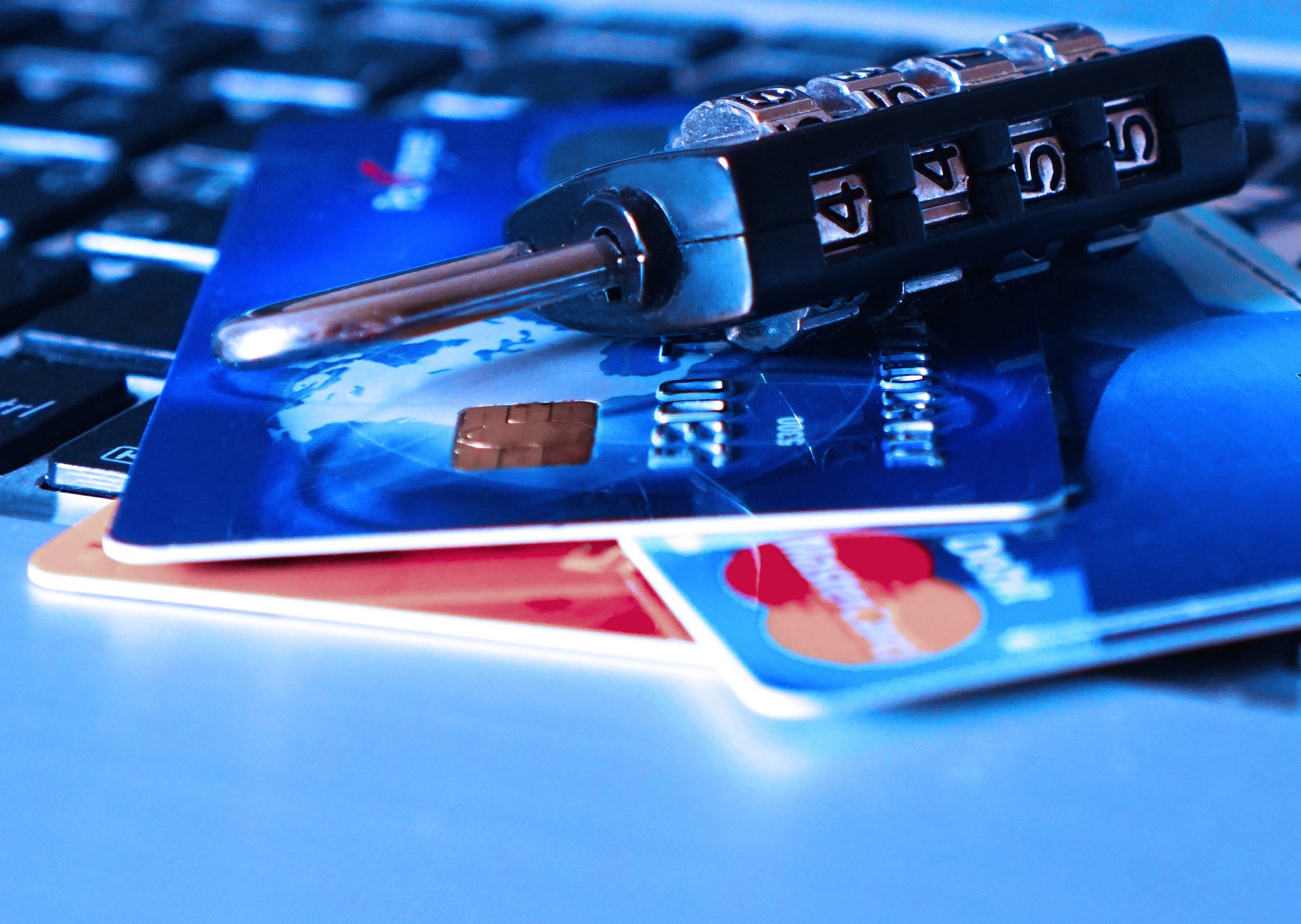
In today’s digital age, it’s crucial to take steps to prevent your computer from being stolen. From common theft risks to the importance of data backups and utilizing tracking services, there are several measures you can take to safeguard your device. Whether it’s using password protection, installing anti-theft software, or implementing remote wiping and locking, these 10 anti-theft tips will help secure your physical location and protect your valuable data.
Common Theft Risks to Your Computer
It’s crucial to be aware of the common theft risks that could compromise the security of your computer and its data. Understanding these risks can help you take proactive measures to prevent your computer from being stolen. Here are some common theft risks to consider:
- Unsecured physical environment: Leaving your computer unattended in public areas, such as coffee shops or airports, makes it an easy target for opportunistic thieves.
- Lack of password protection: Failing to set up password protection for your computer leaves it vulnerable to unauthorized access and potential theft of sensitive information.
- Absence of anti-theft software: Without the installation of anti-theft software, your computer lacks the necessary tools to track and recover it in the event of theft.
- Inadequate physical security: Poorly secured doors and windows in your home or office can make it easier for burglars to steal your computer.
- Neglecting data backups: If your computer is stolen and you haven’t backed up your data, you could suffer irreplaceable loss of important files and documents.
By being mindful of these theft risks, you can take proactive steps to safeguard your computer and prevent your computer from being stolen.

The Importance of Data Backups
Backing up your data is crucial to prevent your computer from being stolen. Here’s why:
Data Protection: By regularly backing up your files, you ensure that even if your computer is stolen, your important data is safe and accessible from another device.
Minimize Loss: In the event of theft, having data backups means you won’t lose crucial files, documents, or precious memories. It provides a safety net against the impact of theft.
Business Continuity: For businesses, data backups are essential to prevent disruptions. It allows for seamless operations even if a computer is stolen, avoiding downtime.
Peace of Mind: Knowing that your data is securely backed up provides peace of mind. Whether for personal or professional use, this is invaluable in preventing stress and loss in case of theft.
Regularly backing up data to an external hard drive, cloud storage, or using automated backup tools is a simple yet effective way to prevent your computer from being stolen and safeguard your valuable information.
Using Password Protection
When it comes to preventing your computer from being stolen, using password protection is an essential step. By setting up strong and unique passwords, you can significantly reduce the risk of unauthorized access to your device. Here are some key points to consider:
Strong Passwords: Create strong and complex passwords that include a mix of upper and lower case letters, numbers, and special characters. Avoid using easily guessable information like birthdates or names.
Multi-Factor Authentication: Enable multi-factor authentication whenever possible. This adds an extra layer of security by requiring additional verification steps beyond just entering a password.
Biometric Authentication: Consider using biometric authentication methods such as fingerprint or facial recognition. These can provide a highly secure way to access your device.
Password Managers: Utilize password management tools to securely store and manage your login credentials for various accounts and devices.
By implementing robust password protection measures, you can make it much more difficult for thieves to gain access to your computer and sensitive data, effectively helping to prevent your computer from being stolen.
Installing Anti-Theft Software
To prevent your computer from being stolen, installing anti-theft software can be a crucial step. This software provides an extra layer of security and helps in tracking and recovering your device in case it gets stolen. Here are some points to consider:
Features: Look for anti-theft software with features like remote locking, location tracking, and data encryption. This can help in preventing unauthorized access to your sensitive information.
Comparison: Consider comparing different anti-theft software options to find the one that best suits your needs. Look for user-friendly interfaces, customer support, and compatibility with your devices.
Activation: Once you have chosen the software, ensure that it is activated and set up properly on your computer. This will enable you to take immediate action in case of theft.
Regular Updates: Keep the anti-theft software updated to benefit from the latest security patches and improvements. Regular updates can enhance the software’s effectiveness in safeguarding your computer.
Installing anti-theft software can significantly enhance the security of your computer and provide peace of mind knowing that your device is protected in case of theft.

Photo by Lauren Mancke on Unsplash
Secure Your Physical Location
When it comes to preventing your computer from being stolen, securing your physical location is crucial. Here are some effective tips to safeguard your computer from theft:
Lock Your Computer: Always lock your computer when not in use. This simple step can deter opportunistic theft and prevent unauthorized access to your device.
Use Cable Locks: Secure your computer to a stationary object with a cable lock. This adds an extra layer of physical security, making it more challenging for thieves to snatch your device and run.
Choose a Safe Location: When working in public places, select a secure and visible location to minimize the risk of theft. Avoid leaving your computer unattended in areas with high foot traffic.
Consider Security Cameras: If you often leave your computer in a specific location, consider positioning it within view of security cameras. This can act as a deterrent and provide visual evidence in the event of theft.
By implementing these physical security measures, you can significantly reduce the likelihood of theft and prevent your computer from being stolen.
Remote Wiping and Locking
One of the most effective ways to prevent your computer from being stolen is by utilizing remote wiping and locking features. In the unfortunate event that your computer falls into the wrong hands, remote wiping ensures that all your sensitive data is erased, thus minimizing the risk of a security breach. Similarly, remote locking adds an extra layer of protection by allowing you to remotely lock your computer, rendering it unusable to unauthorized individuals.
Comparison Table: Remote Wiping vs. Remote Locking
| Remote Wiping | Remote Locking |
|---|---|
| Erases all sensitive data on the computer | Renders the computer unusable to unauthorized users |
| Minimizes the risk of a security breach | Adds an extra layer of protection against theft |
| Can be initiated from a remote location | Provides peace of mind in case of a stolen device |
| Protects your personal and sensitive data | Prevents unauthorized access to confidential files |
By setting up these remote capabilities, you can significantly reduce the impact of a potential theft and safeguard your valuable information from falling into the wrong hands.
Utilizing Tracking Services
Utilizing tracking services is an effective method to prevent your computer from being stolen. These services can help track and locate your device if it’s ever lost or stolen. Here are the key points to consider when utilizing tracking services:
- Real-Time Location Tracking: Some tracking services offer real-time location tracking, allowing you to pinpoint the exact location of your computer.
- Remote Locking and Wiping: Look for services that enable you to remotely lock your device or wipe sensitive data to prevent unauthorized access.
- Geofencing Alerts: Certain tracking services allow you to set up geofencing alerts, sending notifications if your device moves outside a designated area.
- Integration with Law Enforcement: Choose tracking services that have smooth integration with law enforcement agencies to enhance the chances of recovering your stolen computer.
By utilizing tracking services effectively, you can increase the likelihood of recovering your computer in case of theft. Be sure to explore the available options and select a tracking service that best suits your security needs.
Remember, prevention is the key, and employing these tracking services can significantly enhance the security of your computer and data.

Photo by Sarah Dorweiler on Unsplash
Frequently Asked Questions
What are some common anti-theft measures for computers?
Common anti-theft measures for computers include setting up a strong password, enabling full-disk encryption, using a robust security software, and activating a tracking feature to locate a stolen device.
How can I protect my computer from being stolen?
To protect your computer from being stolen, you can use physical security devices like cable locks, keep it out of sight when not in use, avoid leaving it unattended in public places, and consider installing anti-theft software with remote lockdown and data wipe capabilities.
What should I do if my computer is stolen?
If your computer is stolen, the first thing to do is to report the theft to the authorities and provide them with as much information as possible, such as the device’s serial number and any tracking information. You should also change all your passwords and consider remote wiping the device if it contains sensitive data.
Can I track my stolen computer?
Yes, it is possible to track a stolen computer if you have activated a tracking feature or installed anti-theft software with tracking capabilities. You should report the theft to the authorities and provide them with the tracking information to help in the recovery of your device.
Leave a Reply
You must be logged in to post a comment.